
A healthy gut is key to feeling good overall. It helps with digestion, metabolism, and keeping you from getting sick. Shayna Komar, a dietitian, says that over half of your immune system is in your gut.
Adding a gut-friendly diet and juices to your day can boost your digestion. Quality probiotics and prebiotics can also improve digestion and energy. This makes you feel more alive and supports a healthy lifestyle.
Understanding how your choices affect your gut is important. Making smart diet and lifestyle choices can improve your gut health. This can help prevent serious illnesses and make you feel better.
Looking to boost your digestion, energy, or overall health? Start by focusing on your gut. Trying juices for gut health is a tasty way to support your health journey.
Understanding the Foundations of Gut Health
To keep your digestive system healthy, it’s key to know the basics of gut health. A balanced gut microbiome is vital for your overall well-being. High-quality products can boost your gut health.
The gut microbiome is home to trillions of microorganisms. They are crucial for your digestive health. A healthy gut microbiome supports a strong immune system, heart health, brain health, and a better mood.
A healthy gut means regular bowel movements, a strong immune system, and a balanced metabolism. Signs of poor gut health include bloating, constipation, diarrhea, and fatigue. To get your gut in top shape, focus on eating gut health meals and the best foods for your gut.
Healing your gut health needs a full approach. This includes a healthy diet, regular exercise, and managing stress.
In contrast, common signs of poor gut health include:
- Bloating
- Constipation
- Diarrhea
- Fatigue
By recognizing these signs and taking steps to improve your gut health, you can avoid many health problems. A balanced diet with gut health meals, like fermented foods and prebiotic-rich foods, supports beneficial gut bacteria. This leads to better overall health and well-being.
Power-Packed Probiotics for Digestive Balance
Probiotics are live microorganisms that help keep your gut healthy. You can find them in foods like yogurt, kefir, and sauerkraut. Adding probiotic-rich foods or supplements to your diet can boost your gut health.
A diet rich in probiotics can improve digestion and reduce irritable bowel syndrome symptoms. It can even help produce vitamins. Starting your day with a probiotic smoothie is a great way to get essential nutrients.
Some probiotic supplements, like Culturelle, offer various products for gut health. Culturelle Women’s 4-in-1 Protection Capsules and Culturelle Digestive Daily Probiotic Capsules are examples. Probiotics are key to a healthy gut.
When picking a probiotic supplement, choose ones recommended by experts. Culturelle is the #1 trusted probiotic brand in America. Look for products with different pack sizes and free shipping. Adding probiotics to your routine is a step towards better gut health and overall well-being.
Essential Supplements for Optimal Gut Function
High-quality gut health supplements are key to a healthy gut. A balanced diet and gut health shots offer the needed nutrients. Adding prebiotic supplements, digestive enzymes, and vitamins to your routine can help.
Prebiotics feed the good bacteria in your gut, supporting a healthy microbiome. Digestive enzymes break down food, easing symptoms like bloating and constipation. Vitamins and minerals, like vitamin D and omega-3 fatty acids, are also crucial for gut health.
Choose supplements that meet your needs. A diet rich in fermented foods, fiber, and fruits and vegetables also aids gut health. By using these supplements and following a healthy diet, you can keep your gut in top shape.
Benefits of these supplements include:
- Improved digestion and reduced symptoms of digestive disorders
- Boosted immune system function
- Increased energy and overall well-being
Fermented Foods That Transform Your Digestive System
Fermented foods are great for your digestive system and health. Adding them to your diet boosts your gut health. Foods like kimchi, sauerkraut, and kefir are full of probiotics. They help with digestion, boost your immune system, and even make vitamins.
Some examples of fermented foods that can help reset gut health include:
- Kimchi, which is rich in vitamins and has anti-inflammatory properties
- Sauerkraut, which contains vitamins C and K and has anti-inflammatory properties
- Kefir, which may improve heart health and contains probiotics that support gut health
- Tempeh, which is a good source of protein and fiber and can help support gut health
These foods can be added to your diet to support gut health and overall well-being. They work well with gut health vitamins to improve digestive health.
Other fermented foods like yogurt, natto, and miso also offer benefits for gut health. By eating a variety of fermented foods, you can support your gut and overall health. This helps reset your gut health with the best foods and vitamins.
Morning Rituals to Kickstart Your Gut Health
Starting your day with a gut-friendly breakfast is key. Wellness shots and morning tonics, like green juice, offer vital nutrients. Foods high in fiber, like fruits and veggies, prevent constipation and aid digestion.
Apples, pears, strawberries, bananas, and avocados are great for your gut. Beets, broccoli, and carrots are also beneficial. Drinking warm water in the morning keeps your digestive system hydrated.
For a gut-friendly morning, try a green juice or a probiotic-rich smoothie. Adding fermented foods like kimchi or sauerkraut boosts beneficial bacteria. Quality products, like Amazonia Raw Probiotic Biotic Ferment, support gut health.
Drinking celery juice on an empty stomach can regulate digestive acids. Chewing food 30-50 times aids digestion and nutrient absorption. These morning rituals support your gut health and energize your day.
Supercharged Smoothies and Juices for Digestive Wellness
Starting your day with a smoothie can be a great choice. It offers important vitamins for your gut and helps with digestion. With many Americans facing digestive problems, smoothies and juices are becoming popular solutions. Adding ingredients like probiotics, prebiotics, and fiber can make your breakfast better for your gut.
Leafy greens like kale are good for your gut because they help “good” bacteria grow. Frozen fruits, such as raspberries, are high in fiber. Adding almond butter and flaxseeds can also boost your heart health and overall well-being.
Here are some benefits of smoothies for digestive wellness:
- Provide essential nutrients like vitamin C, fiber, potassium, and protein
- Support the growth of beneficial bacteria in the gut
- Can be prepared in as little as 5 minutes, making them a convenient option for busy mornings
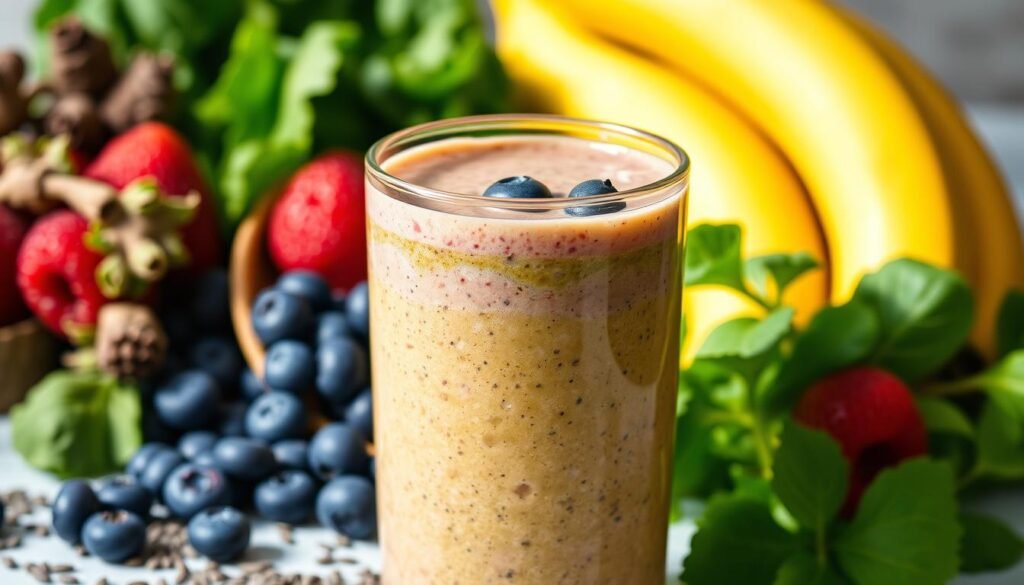
By using these ingredients and tips, you can make a tasty and healthy breakfast. Smoothies are perfect for a quick breakfast or to help your gut health. They’re a great choice for anyone looking to support their digestive wellness.
Building a Gut-Friendly Meal Plan
Creating a meal plan for gut health can greatly improve digestive wellness. Choosing the best yogurt for gut health is key. It adds essential probiotics to support a healthy gut microbiome. A balanced meal plan should include fiber-rich foods, omega-3 foods, and probiotic dairy.
Here are some important tips for a gut-friendly meal plan:
- Average daily fiber intake of 39 grams, exceeding the recommended daily intake for both women and men
- Incorporating anti-inflammatory food choices, such as whole grains, legumes, and nuts
- Meal timing and portion control to maintain a healthy balance of beneficial gut bacteria
Following a gut health meal plan can boost overall health and well-being. It helps keep the gut microbiome healthy. With some planning and creativity, you can make a meal plan that supports digestive health and overall health.
Natural Remedies for Common Gut Issues
To get better gut health, we need to tackle common problems like bloating, constipation, and diarrhea. Natural solutions like probiotics, prebiotics, and fiber-rich foods can help. These can ease symptoms and support a healthy gut microbiome. A balanced gut is key to feeling good overall, and these remedies can help.
Some foods can make gas and bloating worse, like apples, beans, broccoli, and dairy. But, simple diet and lifestyle changes can help. For instance, eating more fiber, about 30g a day, can prevent constipation.
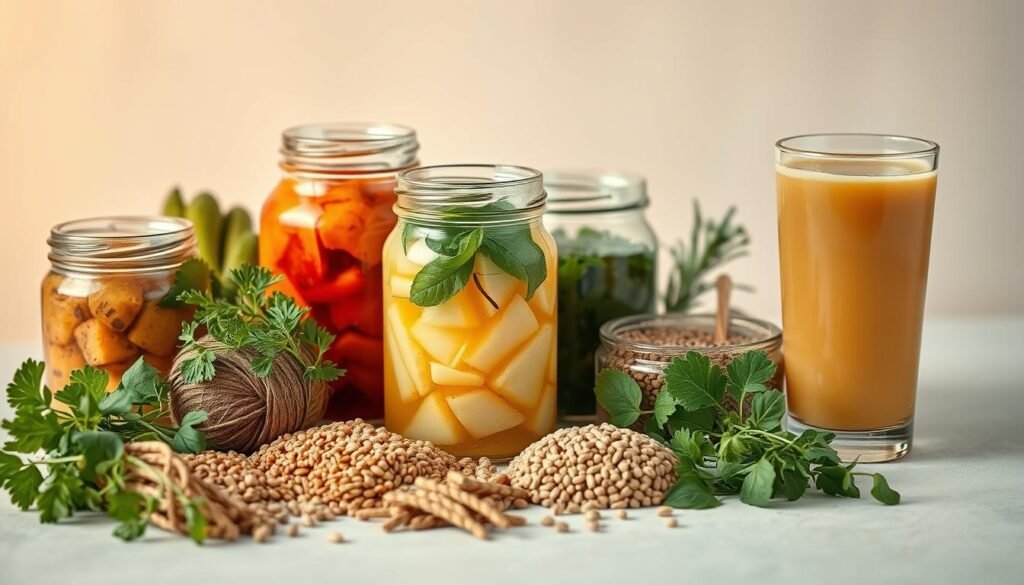
Probiotics and prebiotics are also great for gut health. Probiotics can ease symptoms of irritable bowel syndrome. Prebiotics feed the good bacteria in our gut. Taking probiotics daily for a month can show if they work for you.
The Connection Between Stress and Gut Health
Stress can really affect our gut health, causing digestive problems and weakening our immune system. It can upset the balance of good and bad bacteria in our gut. To fix this, it’s key to use top-notch products, like gut health books, and eat right for our gut.
Eating foods high in fiber and nutrients is vital for a healthy gut. Foods like yogurt, kefir, and sauerkraut add good bacteria. Also, activities like deep breathing, meditation, and exercise help lower stress and keep our gut healthy.
By adding mindfulness and a balanced diet to our lives, we can fight stress and boost our gut health. Here are some easy ways to do it:
- Eat a variety of whole, unprocessed foods
- Incorporate fermented foods into your diet
- Practice stress-reducing techniques, such as meditation or deep breathing
- Aim for 7-8 hours of sleep per night
Exercise Routines That Support Digestive Health
Regular exercise is great for your gut health. It helps keep your gut microbiome healthy and can ease digestive issues. Knowing about gut health helps you make better lifestyle choices. Adding the best smoothies for gut health to your diet is a good start.
Exercise can get your bowels moving and boost digestive enzymes. This is especially good for those with constipation. Good exercises for your gut include sit-ups, yoga, walking, and biking. These activities help manage stress, get your gut moving, and improve bowel control.
Here are some benefits of exercise for digestive health:
- Reduces bloating and gas build-up
- Improves bowel control issues
- Enhances digestive efficiency and promotes regular bowel movements
- Improves gut motility and regulates the digestive tract’s rhythm
- Contributes to a healthier digestive system and better maintenance of the gut microbiome
Adding exercise to your daily routine is easy and effective. Aim for 30 minutes of exercise, five days a week. Start with short walks or yoga and then move to more intense workouts. Always listen to your body and talk to a doctor if you have any worries.
Unlocking Vibrant Health Through Gut Transformation
To unlock vibrant health, you need a holistic approach. This includes diet, lifestyle, and managing stress. Eating gut-friendly foods, exercising, and reducing stress can help. These steps support a healthy gut microbiome and overall well-being.
Start by focusing on how to improve your gut health. Eat a diet rich in vegan gut health foods like fruits, veggies, and fermented foods. Add regular exercise, mindfulness, and quality sleep to support digestive balance. Also, consider gut health gummies and supplements for extra help.
The path to vibrant health starts with a strong gut. By adopting a holistic approach and making small, lasting changes, you can unlock your digestive system’s full potential. This leads to the transformative benefits of a thriving gut microbiome.